What Is the Most Effective Way to Get Rid of Mice from My House?
The most reliable way to eliminate mice from your house is to pair safe removal, sanitation, and exclusion right away. Practically speaking, that means finding the mouse infestation, placing traps correctly, cleaning up food attractants, and closing off every likely entry point so mice cannot return. For homeowners looking for pest control Scarborough, this approach works better than relying on bait alone because it addresses both the mice you can see and the hidden access routes that sustain the problem going.
If you live in Scarborough, the answer matters even more in winter. Cold weather in Toronto’s east end forces mice indoors, especially into warm homes with easy access to food and shelter. Older detached homes, bungalows, semi-detached homes, and row houses in Scarborough often have small gaps around the foundation, utility lines, and doors that make it more likely for house mice to move in. Add nearby ravines, park edges, and green space, and rodent pressure around homes can increase quickly.
The short version: set traps for the mice, clean up what attracts them, and close the house. That is the most reliable way to remove mice and prevent re-entry long term.
Why mice get into Scarborough homes
House mice get inside for 3 key reasons: food, warmth, and cover. In Scarborough, those pressures often peak when winter sets in and outdoor conditions become harsh. Mice do not need a large opening to get inside; even tiny gaps around foundation cracks, vents, or utility lines can become easy travel routes.
Once inside, mice look for food sources such as crumbs, pet food, pantry items, and garbage. They also want seasonal shelter, which is why basements, attics, and wall voids become so attractive. Homes close to ravines, parkland, or tree-lined borders may see more rodent activity because those green spaces offer natural cover and nesting opportunities before mice move toward the house.
For many Scarborough properties, the problem starts with minor upkeep problems. A cracked foundation, loose vent cover, or worn weather seal may seem minor, but it can be enough to let rodents in. Good rodent control starts by thinking like a mouse: where can it enter, where can it hide, and what is drawing it in?
Indicators of a mouse problem
The first infestation signs are usually hard to notice if you do not know what to look for. The most common sign is mouse droppings, which are small, dark pellets often found near food storage, under sinks, along baseboards, or inside cupboards. Fresh droppings usually mean ongoing activity.
You may also notice gnaw marks on cardboard, plastic containers, food packaging, or wiring. Mice constantly chew to prevent their teeth from growing too long, so damaged materials are a solid clue. Another common sign is scratching sounds in the walls or ceiling, especially at night when mice are most active. If you hear movement in quiet parts of the home, you may be dealing with mice in walls.
Look for nesting materials such as shredded paper, fabric, insulation, or dried plant matter gathered behind storage bins or in hidden corners. Mice build nests in protected harborage areas where they can remain warm and within reach of food. If you notice several of these signs at once, the issue may be larger than a single mouse.
The safest method to remove mice safely
A highly effective plan to rodent removal is a structured method that uses traps, cleaning, and sealing. This method is more reliable than trying to exterminate mice with poison alone because it addresses the source of the problem and reduces the chance of repeat activity.
1. Start with sanitation. Clean up crumbs, spills, and open food. Store dry goods in sealed containers, wipe counters nightly, and remove clutter that gives mice places to hide. Strong sanitation practices make the home less attractive and help you spot fresh activity faster.
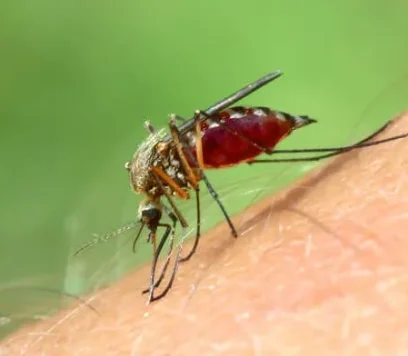
2. Use snap traps correctly. Snap traps remain one of the most effective tools for safe removal when used with proper trap placement. Put them along walls, behind furniture, and near droppings or gnaw marks, with the trigger side facing the wall. Mice tend to travel along edges, so placement matters more than using a large number of traps in random spots.
3. Consider bait stations carefully. Bait stations may be used in some situations, especially when managed by professional pest control. Indoors, they should be handled with caution because of poison risks for children and pets. In many homes, traps plus exclusion are the better first response.
4. Seal the structure. Once activity is reduced, focus on exclusion. If you do not block the entry route, new mice will keep replacing the old ones. This is the difference between short-term rodent control and long-term prevention.
For homeowners who need quick help, professional pest control can provide same-day service, a targeted home inspection, and a plan to safely remove the infestation without guesswork.
Why closing access points matters more than bait by itself
Poison bait may cut down mouse populations, but it does not address the real problem. If mice can still get in through foundation gaps, holes around utility penetrations, or damaged seals around doors, the house remains at risk. That is why exclusion is often more important than bait alone.
Start by checking the exterior thoroughly. Look for cracks in the foundation, small holes near vents, and openings where pipes, cable lines, or conduits enter the house. These spaces are common entry points for house mice. Even a gap that looks too small to matter can be all it takes for rodent access.
Door sweeps and weatherstripping are also essential. A worn garage door or basement door can leave a gap that mice exploit often. Installing new sweeps and sealing around frames can make a significant difference in preventing re-entry.
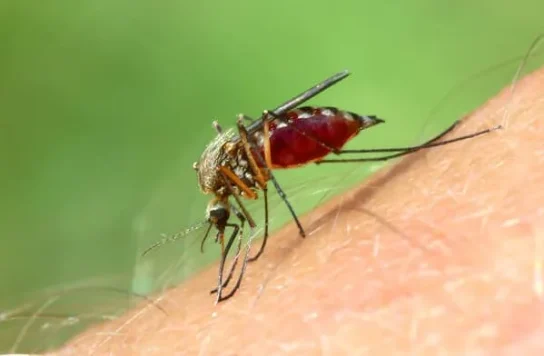
For smaller holes, steel wool is often used as a temporary barrier because mice dislike chewing through it. For a more durable fix, combine steel wool with caulking or another sealant suited to the surface. The goal is to close the gap completely, not just hide it.
In Ontario homes, especially older properties in Scarborough, maintenance before peak rodent season is critical. If you wait until winter pressure starts, the mice may already have found their way in.
Where mice hide inside the home
Mice hide very well, which is why a mouse infestation can grow before homeowners understand what is happening. The most common hiding spots include basements, attics, kitchens, and areas behind appliances.
Basements often give mice access to foundation cracks, storage boxes, utility lines, and warm corners. In many Scarborough homes, basements are unfinished or partially finished, which makes them ideal shelter spots. You may find droppings near furnace rooms, laundry areas, or shelving.
Attics offer insulation, darkness, and minimal disturbance. Mice may nest above ceilings and travel down wall voids into the rest of the home. If you hear scratching sounds overhead at night, the attic should be checked during inspection.
Kitchens are a prime target because food and water are easy to find. Mice can move under cabinets, inside drawers, and behind bins without being noticed. Look closely near sink pipes, pantry corners, and baseboards for droppings or gnaw marks.
Behind appliances is another common location, especially behind stoves, refrigerators, dishwashers, and laundry machines. These spots are warm and rarely cleaned thoroughly, which makes them ideal for hidden nesting materials and food debris.
When self-managed rodent control is sufficient and when to reach out to pest control Scarborough
Do-it-yourself methods can be adequate when the issue is small and noticed early. If you have one mouse, obvious signs of infestation, and no repeated activity after trapping, you may be able to solve the problem with thorough cleaning and sealing entry points. But if the infestation is more extensive, or if the mice come back, it is time to call pest control Scarborough.
The most important factor is the size of the infestation. One mouse can become several if nesting has already started. Another warning sign is ongoing activity after you trap one or two mice. That often means there are others still hidden in wall voids, basements, or attics.
A professional inspection is especially useful when you cannot identify the access points or when the signs point to unseen travel in the structure. Local experts can assess the home, pinpoint likely routes, and build a targeted plan to eliminate mice safely and minimize the chance of another cycle.
Professional rodent control is also the better option if you need low-profile service, want commercial-grade solutions, or are dealing with ongoing seasonal problems. In many cases, the real value is not just removal, but finding the root cause and https://jsbin.com/yedivesazu stopping the problem from coming back.
How nearby pest control helps Scarborough homeowners
Scarborough homes face specific pressure from the local environment and housing stock. The Ontario climate brings sharp seasonal swings, and cold weather in winter pushes rodents indoors for warmth and food. That means rodent removal efforts often need to be more rapid and more detailed than in milder seasons.
Many older homes in Scarborough have aging foundations, existing utility penetrations, and damaged exterior materials that make it easier for mice to enter. Row houses and attached housing can also form shared pressure points, where rodents pass between units or use hidden pathways along adjoining walls. In duplex-style homes, the shared structure and small exterior gaps can make inspection more thorough.
Local specialists recognize these housing patterns and can target the most probable vulnerabilities. That includes foundation edges, garage thresholds, basement windows, and utility access points. They understand how nearby ravines, park edges, and landscaped borders can raise rodent activity around the property.
By using professional pest control scarborough can mean a more efficient inspection, improved trap placement, better exclusion work, and practical advice matched to local home styles. For homeowners, that usually means stronger property protection and better long-term prevention.
Ways to prevent mice from returning
Once the mice are gone, prevention becomes the following priority. Ongoing rodent prevention depends on improving the conditions that attracted them in the first place.
Food storage is the best place to begin. Store pantry goods in closed containers, keep from leaving pet food out overnight, and wipe kitchen floors regularly. Even small crumbs can feed a mouse infestation if they are left behind for an extended period.
Trash handling is important too. Use snug-fitting lids on inside and outside bins, remove trash out often, and wash recyclable containers when feasible. Waste that remains for too long creates a feeding source and can also lure other pests.
Yard care should not be dismissed. Cut back shrubs away from the foundation, remove leaf litter, and keep firewood stored away from the home. Thick edges and clutter near the exterior can create shelter for rodents moving toward the house.
It also helps to use a simple maintenance checklist each season: inspect the foundation, check door sweeps and weatherstripping, look over utility lines, and confirm that caulking remains intact. In Ontario, these small maintenance tasks are especially important before the colder months begin. They help seal gaps before mice are forced indoors by weather.
The goal is not just to remove the current mice but to create a home that is harder to enter, more difficult to hide in, and less appealing overall.
FAQ about removing mice from your house
What is the fastest way to get rid of mice in a house?
The fastest way is to combine spring traps, sanitation, and exclusion right away. Set traps along travel paths, remove food sources, and seal entry points so the mice cannot keep re-entering. If the problem is spreading or you hear scratching sounds in walls, professional pest control can speed up the process with inspection and targeted removal.
Are mouse poison and bait stations safe to use indoors?
They can involve poison risks, especially in homes with children or pets. Bait stations should be used carefully and only in appropriate situations. In many cases, traps are safer for indoor use, while exclusion and sanitation provide better long-term prevention. If you are unsure, a professional can recommend the safest approach.
How do I know if I have one mouse or a full infestation?
One mouse often leaves a few droppings, minor gnaw marks, or occasional scratching sounds. A larger infestation usually shows repeated droppings, multiple nesting materials, active movement in basements or attics, and recurring activity even after trapping. A professional inspection can confirm the scope of the problem.
Mosquito Man Scarborough1225 Kennedy Rd, Scarborough, ON M1P 4Y1, Canada
+1 647-243-7241
https://maps.app.goo.gl/8SuLx1MkkqVJFc2m9 https://mosquitoman.ca/pest-control/scarborough/
43.7561897, -79.2751574
Why do mice keep coming back after I trap them?
They come back again when the openings are still open or when the home still offers food and shelter. If gaps in the foundation, utility lines, or worn door sweeps are not sealed, other mice can enter. Trap-only control is only a temporary solution, which is why mice control must include protection and structural sealing.
How can I stop mice from getting into my Scarborough home again?
Use a thorough prevention strategy: keep food sealed, better manage garbage, maintain landscaping, and inspect the home regularly for gaps around the base, doors, and utility penetrations. In Scarborough, it is especially important to get ready before winter because cold weather drives mice indoors. If the problem keeps returning, nearby professionals can provide a thorough inspection and long-term prevention plan.